Introduction: Picking the Right Playground for Your App
Hey there, Game Kreatif! So, you’re dreaming of launching your very own killer app, but you’re stuck on the big question: iOS or Android? It’s a common dilemma, kind of like choosing between pizza and tacos – both are awesome, but they cater to different tastes. This detailed guide will walk you through the key differences between these two dominant mobile platforms, helping you make the right choice for your project.
Developing an app is a significant investment, both in time and resources. Picking the right platform from the get-go can mean the difference between soaring success and a disappointing flop. We’ll unpack everything from development costs and timelines to user demographics and monetization strategies to help you determine whether iOS or Android (or maybe even both!) is the perfect match for your app’s destiny. Let’s dive in and explore the exciting world of iOS vs. Android!
Development: Coding Your Way to Success
Programming Languages: Swift vs. Kotlin
iOS development primarily uses Swift, a powerful and intuitive language developed by Apple. It’s known for its speed, safety features, and relatively easy learning curve. Android, on the other hand, predominantly uses Kotlin, a modern language that runs on the Java Virtual Machine. Kotlin is also praised for its clean syntax and improved performance compared to Java. Choosing the right language depends on your team’s existing skills and the specific requirements of your app.
Consider this: If your team already has strong Java expertise, transitioning to Kotlin for Android development might be smoother. Conversely, if you’re starting from scratch, Swift’s beginner-friendliness could be a significant advantage for iOS development.
Development Environment: Xcode vs. Android Studio
Xcode is Apple’s integrated development environment (IDE) exclusively for iOS, macOS, watchOS, and tvOS app development. It offers a comprehensive suite of tools for coding, designing, testing, and debugging. Android Studio, on the other hand, is the official IDE for Android development. It’s built on IntelliJ IDEA and offers a flexible and feature-rich environment for building Android apps.
Both IDEs offer robust features, but they have different strengths. Xcode is known for its smooth integration with Apple’s hardware and software ecosystem, while Android Studio provides greater flexibility and customization options.
Target Audience: Who Are You Building For?
Demographics: Understanding Your Users
iOS users tend to skew towards higher income brackets and are more likely to make in-app purchases. They often prioritize a seamless user experience and a polished aesthetic. Android users, on the other hand, represent a broader demographic, encompassing a wider range of income levels and geographical locations. Reaching a wider audience is often a key driver for choosing Android.
Understanding your target audience is crucial. Are you targeting a niche market willing to pay a premium for a high-quality experience? Or are you aiming for mass appeal and broad market penetration? The answer will greatly influence your platform choice in the iOS vs. Android debate.
Market Share: Reaching the Masses
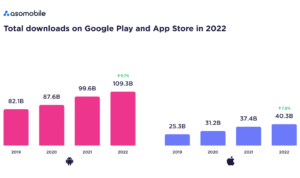
Android holds a significantly larger global market share compared to iOS. This means that developing for Android can potentially expose your app to a much larger audience. However, iOS dominates in certain regions, like North America and Western Europe.
Think about your app’s target market. If you’re aiming for global reach, especially in emerging markets, Android might be the better choice. Conversely, if your target audience is concentrated in specific affluent regions, iOS could be a more strategic option.
Monetization: Turning Your App into a Business
In-App Purchases vs. Advertising
iOS users are generally more receptive to in-app purchases, making it a lucrative monetization strategy for iOS apps. Android users, while less likely to make in-app purchases, present a larger audience for ad-based revenue.
Consider your app’s functionality and target audience. If your app offers premium features or content, in-app purchases on iOS might be a better fit. If you’re aiming for a wider reach and free-to-play model, advertising on Android might be more effective.
Subscription Models: Building Recurring Revenue
Subscription models are gaining popularity on both iOS and Android. They offer a predictable revenue stream and can foster long-term user engagement. However, the success of a subscription model depends heavily on the value proposition of your app.
Choosing the right monetization strategy is crucial for the long-term sustainability of your app. Carefully evaluate your target audience, app features, and market trends to determine the best approach for iOS vs. Android. Remember, iOS vs. Android: Which Platform is Best for Your App? heavily depends on your monetization plans.
iOS vs. Android: A Detailed Comparison
| Feature | iOS | Android |
|---|---|---|
| Programming Languages | Swift | Kotlin, Java |
| Development Environment | Xcode | Android Studio |
| Market Share | Smaller, concentrated in affluent regions | Larger, globally distributed |
| User Demographics | Higher income, more likely to make in-app purchases | Broader demographic range |
| Monetization | In-app purchases, subscriptions | Advertising, in-app purchases |
| Development Cost | Generally higher | Generally lower |
| App Store Approval | Stricter | More lenient |
| Device Fragmentation | Less fragmentation | More fragmentation |
Conclusion: Making the Right Call
Choosing between iOS and Android for your app is a significant decision. There’s no one-size-fits-all answer, as the best platform depends on a variety of factors, including your target audience, budget, monetization strategy, and the specific features of your app. iOS vs. Android: Which Platform is Best for Your App? is a question you need to carefully ponder. Sometimes, the best strategy is to develop for both platforms, maximizing your reach and potential revenue. But this doubles the development effort. iOS vs. Android: Which Platform is Best for Your App? remains a pivotal question.
We hope this guide has provided valuable insights to help you make the right choice. Be sure to check out our other articles for more in-depth information on mobile app development, marketing, and monetization strategies. Good luck, Game Kreatif!
FAQ about iOS vs. Android: Which Platform is Best for Your App?
Which platform has more users?
Android has a larger global market share, while iOS dominates in certain regions like North America and Japan.
Which platform is easier to develop for?
Generally, iOS is considered easier to develop for due to fewer device variations and a more streamlined development process.
Which platform is more profitable?
iOS users tend to spend more money on apps and in-app purchases, making it potentially more profitable for developers.
Which platform offers better security?
Both platforms have robust security features, but iOS is often perceived as more secure due to its closed ecosystem.
Which platform is better for design consistency?
iOS apps tend to have a more consistent look and feel due to Apple’s strict design guidelines.
Which platform is better for customization?
Android offers greater customization options for both users and developers.
Which platform is better for hardware integration?
Android often has better hardware integration due to its open nature and wider range of supported devices.
Which platform has a faster app review process?
iOS app review process is generally faster and more predictable than Android’s.
Which platform is better for reaching a global audience?
Android is better for reaching a broader global audience due to its dominance in emerging markets.
Which platform should I choose for my app?
The best platform depends on your specific app, target audience, budget, and development resources. Consider your priorities and research your target market to make the best decision.