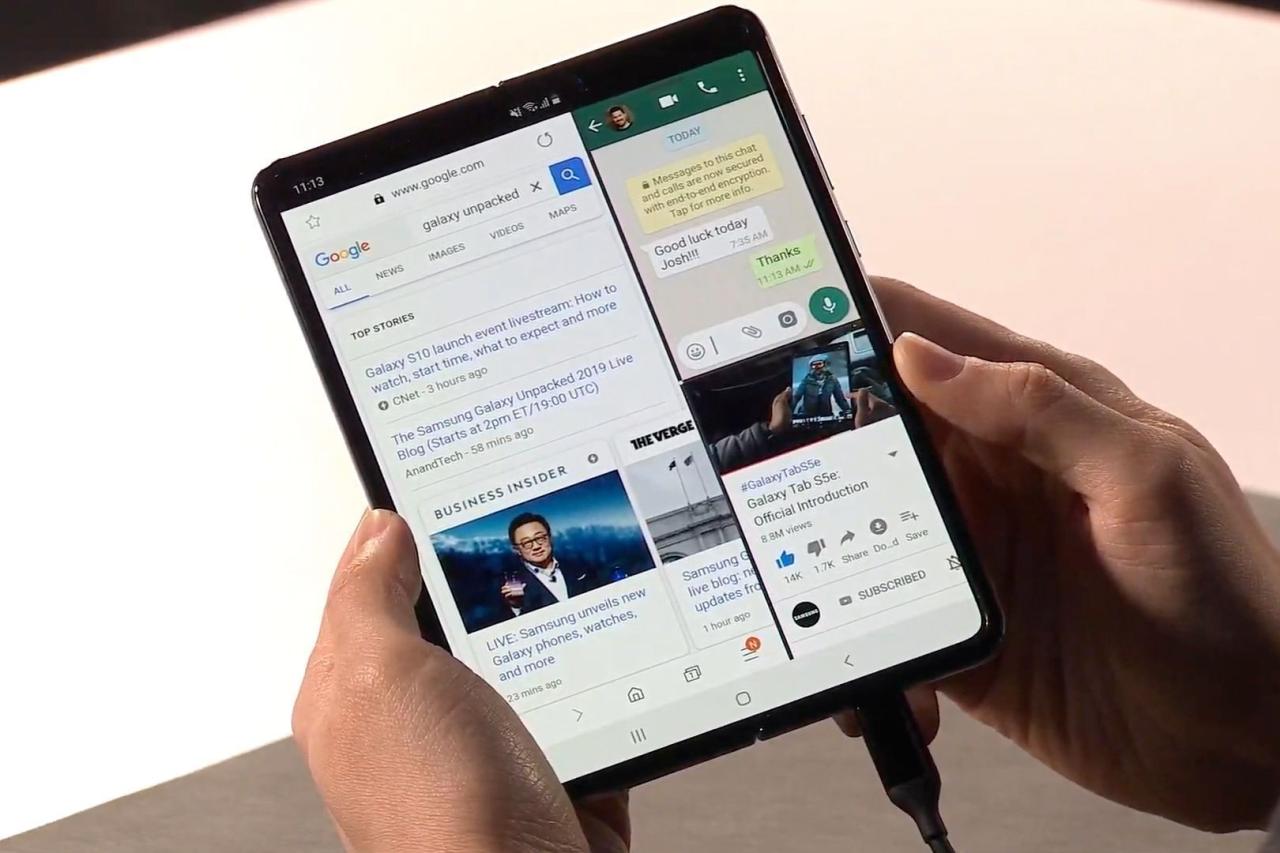
The Rise of Foldable Android Phones marks a revolutionary shift in the mobile landscape, combining innovation with practicality. As we explore this dynamic realm, we delve into the evolution of mobile phones that led us to the exciting world of foldable designs. With advancements in technology paving the way for these devices, foldable Android phones stand out by offering unique features and enhanced multitasking capabilities that challenge traditional smartphones.
From their significant screen sizes and versatile form factors to the influence of major brands, the rise of these devices reflects changing consumer preferences and market trends. Understanding the key players and their strategies can shed light on the future of mobile technology.
The Evolution of Mobile Phones
The journey of mobile phones is a fascinating tale of innovation and adaptation. From the bulky designs of the early 1980s to the sleek smartphones of today, mobile phones have undergone a remarkable transformation. The introduction of foldable designs marks a significant milestone in this evolution, as it combines portability with advanced technology, paving the way for new use cases and experiences.Technological advancements in display technology, materials science, and battery efficiency have been crucial in enabling foldable mobile devices.
Initially, mobile phones were limited to basic functionality and display technology, but the advent of LCD and AMOLED screens revolutionized how we interact with our devices. The integration of flexible displays, made possible through advancements in organic light-emitting diode (OLED) technology and the development of new materials, set the stage for foldable phones, allowing for larger screens in a compact form factor.
Key Milestones in Mobile Phone Design
Several key milestones have significantly influenced the development of foldable technology. Understanding these milestones is essential to appreciate the capabilities and potential of modern foldable devices:
- 1983 – First Commercial Mobile Phone: The Motorola DynaTAC 8000X, often considered the first mobile phone, set the stage for mobile communication.
- 1996 – Flip Phones: The introduction of models like the Motorola StarTAC popularized the clamshell design, showcasing the potential for compact form factors.
- 2007 – Touchscreen Revolution: The launch of the iPhone marked a turning point, shifting focus to touchscreen interfaces and leading to the modern smartphone era.
- 2013 – Flexible Displays: Companies like Samsung began experimenting with flexible display technology, paving the way for future designs.
- 2019 – First Foldable Phones: The release of devices like the Samsung Galaxy Fold showcased the practical application of foldable technology, despite early challenges in durability and design.
- 2020s – Refinement and Popularization: Ongoing advancements in hinge technology and screen durability are leading to wider acceptance and improved user experiences in foldable smartphones.
“The evolution of mobile phones encapsulates the rapid pace of technological innovation, where each breakthrough builds upon its predecessors.”
Key Features of Foldable Android Phones
Foldable Android phones represent a significant shift in mobile technology, combining the benefits of large-screen devices with the portability of traditional smartphones. These innovative devices are not just about aesthetics; they introduce a host of functionalities that redefine user experience. The unique features of foldable phones set them apart and offer compelling reasons for users to consider making the switch.One of the most distinguishing characteristics of foldable Android phones is their flexible display technology, which allows for varied screen sizes and form factors.
Unlike traditional smartphones with static screens, foldable devices can be opened to reveal larger displays, providing an immersive experience for tasks like gaming, multitasking, and media consumption. The evolution in screen size and form factor brings about a versatility that traditional smartphones cannot match.
Screen Sizes and Form Factors
Foldable Android phones come in several configurations, catering to diverse user preferences. The most common form factors include clamshell designs and book-style folding mechanisms. Here’s a detailed comparison of some popular models and their specifications:
| Model | Closed Screen Size | Open Screen Size | Aspect Ratio |
|---|---|---|---|
| Samsung Galaxy Z Flip 4 | 6.7 inches | 7.6 inches | 22:9 |
| Samsung Galaxy Z Fold 4 | 6.2 inches | 7.6 inches | 21:9 |
| Huawei Mate X2 | 6.45 inches | 8 inches | 8:7.1 |
| Oppo Find N | 5.49 inches | 7.1 inches | 8:9 |
The size differences between the closed and open states of these devices enhance their functionality. The larger screens in open mode are particularly advantageous for multitasking, allowing users to run multiple applications side by side.
Multitasking Capabilities
Foldable devices excel in multitasking, a crucial feature for today’s fast-paced digital environment. Users can leverage the expansive screen real estate to run multiple apps simultaneously, increasing productivity. For instance, a user can have a video call on one side of the screen while taking notes or browsing the web on the other. This seamless integration of applications is facilitated by advanced software optimizations that allow for split-screen and floating window functionalities.
Benefits of multitasking on foldable devices include:
- Enhanced productivity with simultaneous app usage.
- Improved media consumption experience, allowing for easy sharing or viewing.
- Greater convenience for professional use, such as video conferencing and note-taking.
The multitasking capabilities of foldable Android phones are not merely a gimmick; they address real user needs, making these devices appealing to a wide range of consumers, from tech enthusiasts to professionals seeking efficiency in their daily routines.
Market Trends and Consumer Preferences
The market for foldable Android phones is rapidly evolving, reflecting a growing interest among consumers for innovative and versatile mobile technology. As these devices become more mainstream, understanding the current trends and consumer preferences becomes essential for manufacturers and retailers alike.Recent data indicates that foldable Android phones are witnessing a notable increase in adoption rates, with sales expected to rise significantly in the coming years.
This surge can be attributed to advancements in technology, such as improved hinge mechanisms and better screens, which enhance the user experience. According to a report from Counterpoint Research, foldable phone shipments are projected to reach over 50 million units by 2025, marking a substantial growth from previous years. This shift highlights a pivotal moment in the mobile phone market, where innovation is key to attracting consumers.
Consumer Feedback and Preferences, The Rise of Foldable Android Phones
Consumer feedback on foldable Android phones reveals a mix of excitement and skepticism. Many users appreciate the unique design and functionality that foldable devices offer, particularly their ability to provide a larger display in a compact form. However, some consumers still express concerns regarding durability and price.The following points summarize consumer sentiments towards foldable versus non-foldable devices:
- Innovative Design: Many users are drawn to the futuristic aesthetics of foldable phones, often perceiving them as a status symbol.
- Functionality: Foldable devices offer enhanced multitasking capabilities, allowing users to run multiple apps side by side on a larger screen.
- Concerns Regarding Durability: Potential buyers often worry about the hinge mechanism’s longevity and the screen’s susceptibility to damage.
- Price Sensitivity: The premium pricing of foldable phones compared to traditional smartphones remains a barrier for some consumers.
- Early Adopter Demographics: Consumers who are most likely to purchase foldable phones tend to be tech enthusiasts aged between 25 and 40, who value cutting-edge technology and are willing to invest in innovative products.
These insights reflect a diverse range of preferences among potential buyers, emphasizing the need for manufacturers to address durability concerns while highlighting the benefits of foldable technology.
Demographic Insights
The demographics most inclined to embrace foldable Android phones are significantly shaped by lifestyle and technology engagement. Research indicates that younger professionals and tech-savvy individuals are the primary target audience for these devices. Key demographic factors include:
- Age: Consumers aged 25-40 are leading the charge in foldable phone adoption, as they are often more open to trying new technology and have disposable income to invest in premium devices.
- Income Level: Higher income brackets are more likely to purchase foldable phones, as the pricing of these devices typically positions them in the premium segment of the market.
- Tech Enthusiasts: Individuals who keep up with the latest tech trends, including early adopters and gadget lovers, are the most enthusiastic about the functionality of foldable devices.
- Urban Population: Consumers living in urban areas are more inclined to opt for foldable phones, likely due to their on-the-go lifestyle, which benefits from the compact and versatile design.
Overall, these trends highlight a clear preference for innovation and unique features in mobile technology, driving the growth of foldable Android phones in a competitive market.
Major Players in the Foldable Phone Market
As the foldable phone market continues to grow, several brands have emerged as leaders, each bringing unique innovations and designs. These major players are not only pushing the boundaries of technology but also redefining user experiences in the mobile landscape. By focusing on flagship models, specifications, and marketing strategies, we can better understand the competitive dynamics within this burgeoning market.
Leading Brands and Flagship Models
The foldable phone market is currently dominated by a few key brands that have made significant investments in research and development. These brands are:
- Samsung
-Known for its Galaxy Z Fold and Galaxy Z Flip series, Samsung has set the standard for foldable technology with features like advanced multitasking capabilities and high refresh rate displays. - Huawei
-With its Mate X and Mate X2 models, Huawei offers a distinctive outward-folding design that provides a larger screen experience, though availability can be limited in certain markets. - Oppo
-The Oppo Find N has garnered attention for its compact design and impressive specifications, showcasing a smaller footprint without compromising on performance. - Xiaomi
-The Xiaomi Mix Fold series has made waves with its innovative camera features and strong performance, although it’s still relatively new to the foldable scene.
Specifications and Pricing Strategies
The specifications of foldable phones play a critical role in attracting consumers, and each player has its own approach regarding performance, display quality, and pricing strategies. Here’s a brief comparison of some flagship models:
| Brand | Model | Display Size (Folded/Unfolded) | Processor | Price (Approx.) |
|---|---|---|---|---|
| Samsung | Galaxy Z Fold 4 | 6.2″ / 7.6″ | Snapdragon 8+ Gen 1 | $1,799 |
| Huawei | Mate X2 | 6.5″ / 8.0″ | Kirin 9000 | $2,700 |
| Oppo | Find N | 5.49″ / 7.1″ | Snapdragon 888 | $1,599 |
| Xiaomi | Mix Fold | 6.52″ / 8.01″ | Snapdragon 888 | $1,599 |
The pricing strategies vary significantly; while Samsung offers a premium experience aligned with its flagship status, Huawei’s pricing reflects its advanced technology and unique design, often making it one of the more costly options in the market. Oppo and Xiaomi, on the other hand, adopt slightly more competitive pricing, appealing to a broader audience without compromising essential features.
Marketing Approaches for Foldable Technology
The marketing strategies employed by these brands are crucial for educating consumers and generating interest in foldable technology. Each brand takes a unique approach to highlight their products:
- Samsung utilizes engaging advertisements that showcase practical use cases, such as enhanced productivity and entertainment, emphasizing the multitasking capabilities of its devices.
- Huawei focuses on high-profile launch events and collaborations with tech influencers to establish the Mate X series as a premium product, often emphasizing the camera capabilities and unique design.
- Oppo promotes the Find N’s compact design through social media campaigns that highlight its portability and convenience, appealing to users who value functionality in a smaller form factor.
- Xiaomi employs a digital marketing strategy that targets tech enthusiasts, showcasing the Mix Fold’s innovative features through detailed technical videos and hands-on reviews.
“The marketing of foldable phones isn’t just about showcasing forms; it’s about demonstrating how these devices can enhance everyday life.”
With these strategies, these brands aim to build consumer trust while positioning their foldable devices as essential tools in modern communication and productivity.
Challenges Facing Foldable Phone Technology
The promise of foldable phones has captured the attention of consumers and technology enthusiasts alike. However, this innovative technology comes with its own set of challenges that manufacturers must navigate to create reliable, user-friendly devices. Addressing these challenges is critical for ensuring the continued growth and acceptance of foldable phones in the market.
Technical Challenges in Creating Durable Foldable Phones
Manufacturers face several significant technical hurdles in the development of foldable smartphones. The complexity of the folding mechanism is one of the primary concerns. Engineers must design hinges that can withstand thousands of folds without compromising functionality or causing display damage. This involves extensive testing and innovation in materials, as traditional components may not endure the rigors of bending and flexing.Additionally, the displays used in foldable phones are generally made from flexible OLED technology, which poses its challenges.
These displays must maintain clarity and responsiveness while also being able to fold without forming creases or experiencing pixel failures over time. Manufacturers are continuously researching new materials, such as ultra-thin glass and advanced polymers, to improve durability and maintain a sleek design.
“The future of foldable technology hinges on overcoming material and design constraints while ensuring user satisfaction.”
User Concerns Regarding Longevity and Maintenance
As foldable phones become more mainstream, user concerns about their longevity and maintenance persist. The folding mechanism, while innovative, raises questions about its long-term reliability. Users worry about potential wear and tear, which could impact the device’s lifespan. Reports of early models experiencing screen issues have added to these concerns, making consumers hesitant to switch from traditional smartphones.Moreover, users express anxiety over maintenance.
Foldable phones may require specialized care that differs from conventional devices. For instance, while screen protectors for flat screens are widely available, finding suitable protection for a foldable phone’s unique design can be challenging. Addressing these maintenance issues and educating consumers about proper care will be essential for building confidence in foldable technology.
Impact of Pricing on Consumer Adoption
The pricing of foldable phones significantly influences consumer adoption. These devices typically carry a premium price tag, which can be a barrier for many potential buyers. As of late 2023, foldable models from leading brands like Samsung and Huawei can range from $1,000 to $2,000, making them less accessible compared to standard smartphones.This high cost raises questions about perceived value.
Consumers often weigh the benefits of innovative features against the price, and for many, foldable phones may not yet justify the investment. As production costs decrease and technology advances, it’s expected that prices will become more competitive. However, until then, the high price point remains a critical factor limiting widespread acceptance.
“While the technology is groundbreaking, its price must align with consumer expectations for it to gain broader traction.”
Future Innovations in Foldable Technology: The Rise Of Foldable Android Phones
The future of foldable technology holds incredible promise, with advancements that could transform how we interact with our mobile devices. As manufacturers continue to innovate, we can expect enhancements in design, functionality, and user experience that will redefine our expectations of smartphones and tablets.One of the key areas for advancement in foldable phones is flexible battery technology, which is essential to support the unique form factors of these devices.
As battery sizes shrink while power demands increase, innovative solutions are on the horizon that will allow for thinner, more efficient batteries that integrate seamlessly into foldable designs. This will not only improve the portability of devices but also enhance their performance and longevity.
Flexible Battery Technology
The integration of flexible battery technology will be crucial for the future of foldable devices, enabling them to maintain a slim profile without sacrificing power. Here are some significant points related to this technology:
- Thin-film batteries: These batteries are lightweight and can be manufactured in various shapes, making them ideal for foldable devices. Their ability to bend and twist without losing functionality is a game-changer.
- Solid-state batteries: Offering higher energy density and improved safety, solid-state batteries can be designed to fit the contours of foldable phones, reducing the space needed for battery compartments.
- Wireless charging advancements: Future foldable phones may support more efficient wireless charging systems that can charge the device without needing to be plugged in, enhancing user convenience.
Emerging Use Cases for Foldable Phones
As foldable technology advances, various new use cases are likely to emerge, expanding the functionality of these devices beyond traditional applications. The versatility of foldable phones can cater to both personal and professional environments. Notable anticipated use cases include:
- Enhanced multitasking: With a larger display area, users can run multiple applications side-by-side, making it easier to manage tasks and boost productivity.
- Gaming experiences: Foldable devices can provide immersive gaming experiences by offering a larger screen that can be easily folded for portability while maintaining a high-quality display.
- Creative applications: Artists and designers may utilize the expanded screen for sketching or editing, taking advantage of the increased surface area to enhance their creative workflows.
In conclusion, the future of foldable technology is bright, driven by innovations in flexible batteries and the development of new use cases that promise to redefine user interaction. With continuous research and development, the evolution of foldable phones will likely lead to a new era of mobile technology that meets the demands of modern consumers.
Design Considerations for Foldable Phones
The design of foldable phones is a pivotal factor in their appeal to consumers. These devices not only need to be functional but also aesthetically pleasing and ergonomic. A well-thought-out design can significantly enhance the user experience by providing convenience and versatility.Innovative design elements contribute to the allure of foldable smartphones. The integration of flexible displays and hinges allows for a transformative user experience, enabling users to switch between compact and expansive screen sizes.
This adaptability is crucial for multitasking and enhances overall device usage. A prime example is the Samsung Galaxy Z Fold series, which features a large, immersive display when unfolded, perfect for productivity and media consumption. The Motorola Razr is another noteworthy example, showcasing a retro flip design that resonates with nostalgia while incorporating modern technology.
Ergonomic Considerations in Design
Ergonomics plays a vital role in the design of foldable devices, ensuring that they are comfortable to hold and use. Key ergonomic considerations include the weight distribution, form factor, and tactile feedback of buttons and displays. The design must allow for easy handling, as users often operate these devices with one hand.To maximize comfort, manufacturers focus on the following aspects:
- Weight Distribution: A balanced weight distribution across the device prevents hand fatigue during prolonged use.
- Curved Edges: Rounder edges offer a more natural grip, making it easier to hold the device securely.
- Screen Size Variability: The ability to switch between small and large displays caters to different needs, facilitating comfortable viewing whether browsing or watching videos.
- Responsive Hinge Mechanism: A well-engineered hinge allows for smooth opening and closing, enhancing the tactile experience.
Factors such as these are crucial in making foldable phones not just innovative but also accessible and user-friendly. By prioritizing ergonomic design, manufacturers can ensure that users enjoy their devices without compromising comfort or usability.
User Experience with Foldable Phones
The advent of foldable phones has significantly transformed user interaction with mobile technology, offering a unique blend of functionality and portability. As users navigate their daily tasks, foldable phones are proving to be more than just a novel gadget; they enhance productivity and convenience in a fast-paced world.The user experience with foldable phones varies widely, but many testimonials highlight the innovative aspects that set these devices apart from traditional smartphones.
Users appreciate the larger screens that can be expanded for multitasking, offering a tablet-like experience while remaining pocket-sized. Feedback indicates that the ability to have multiple apps open simultaneously can streamline workflows, making tasks such as video conferencing, note-taking, and browsing more manageable.
User Testimonials and Experiences
Numerous users have shared their experiences with foldable phones, emphasizing the practicality and enjoyment these devices bring to everyday life. Many find that the ability to fold their phone means more than just saving space; it allows for new ways to engage with technology.
“Using my foldable phone feels like having a mini tablet and a phone all in one, which is perfect for my busy lifestyle.”
Jane D.
Another user noted,
“The multitasking capabilities of my foldable device have transformed how I work on the go. I can easily handle emails, video calls, and presentations without feeling cramped.”
Mark T.
Impact on Everyday Tasks and Productivity
Foldable phones facilitate various everyday tasks, enhancing user productivity significantly. The expanded screen real estate allows better visibility and interaction, especially when it comes to:
- Multitasking: The split-screen feature is beneficial for users who need to run multiple applications at once, such as taking notes while participating in a video call.
- Media Consumption: The larger display enhances the experience of watching videos, streaming content, or reading, making it more enjoyable during commutes or breaks.
- Creative Work: Digital artists and content creators find foldable screens advantageous for sketching, design, or editing on-the-go, as the larger surface provides ample space for creativity.
The foldable design also encourages more interactive usage during casual activities. For instance, users can share their screens easily during presentations or meetings by simply propping the phone up in a tent position.
Accessibility Features Benefiting Users with Disabilities
Foldable phones also come equipped with a range of accessibility features aimed at benefiting users with disabilities. These enhancements make technology more inclusive, allowing individuals to use their devices more comfortably and effectively. Key features include:
- Voice Commands: Many foldable smartphones support advanced voice recognition, enabling users with mobility impairments to navigate their phones hands-free.
- Text-to-Speech: This feature is invaluable for visually impaired users, allowing them to receive auditory feedback and interact with their devices seamlessly.
- Customizable Display Settings: Users can adjust text size, contrast, and other visual features, making it easier for those with visual impairments to read and interact with content.
The foldable form factor itself can also assist with accessibility, as the larger screen makes it easier to interface with various applications, reducing strain on the eyes and fingers. Overall, the user experience with foldable phones encapsulates a blend of innovation and practical benefits, paving the way for a more adaptable and user-centric mobile future.
Global Impact of Foldable Phones
The introduction of foldable phones has not only marked a significant technological advancement in the mobile industry but has also set the stage for various global economic and environmental implications. As these innovative devices gain traction, their influence extends beyond just consumer preferences, shaping trends in smartphone sales, sustainability practices, and the development of mobile applications.
Influence on Global Smartphone Sales
Foldable technology is reshaping the smartphone market by introducing a new segment that appeals to consumers seeking versatile devices. The unique form factors of foldable phones allow manufacturers to create more engaging user experiences, which can lead to increased sales. In recent years, foldable phone sales have seen remarkable growth, driven by the competitive pricing of major brands and enhanced features that rival traditional smartphones.
For instance, according to market research, foldable phone shipments are projected to reach millions annually, demonstrating a compound annual growth rate (CAGR) that outpaces traditional smartphone sales. This growth indicates a shift in consumer interest, with users willing to invest in innovative designs that offer multi-functionality.
Environmental Implications
The production of foldable devices brings both opportunities and challenges regarding sustainability. On one hand, manufacturers are exploring eco-friendly materials and recycling initiatives to minimize waste associated with these high-tech devices. On the other hand, the intricate design and use of advanced components can lead to increased resource consumption and e-waste challenges.Significant strides are being made in sustainable practices, such as:
- Development of biodegradable materials for phone casings.
- Increased focus on energy-efficient manufacturing processes.
- Implementing recycling programs for outdated devices to reduce e-waste.
These practices are crucial as the tech industry grapples with its environmental footprint, aiming to balance innovation with ecological responsibility.
Impact on Mobile App Development
The advent of foldable phones is revolutionizing mobile app development, prompting developers to rethink app interfaces and functionalities. Foldable screens allow for multitasking capabilities, enabling users to run multiple applications side-by-side, a feature that requires developers to optimize their apps for various screen configurations and sizes.This shift has led to:
- Enhanced user experiences through adaptive layouts that cater to different screen orientations.
- Innovative app features that leverage the unique aspects of foldable displays, such as split-screen multitasking.
- Increased collaboration between app developers and device manufacturers to create applications that fully utilize foldable technology.
As the market for foldable phones expands, developers are increasingly focused on creating apps that are not only visually appealing but also functional, ensuring a seamless user experience across diverse devices.