How to Make the Most of Your Android Smartphone sets the stage for a thrilling exploration of the numerous ways you can enhance your mobile experience. With Android’s evolution over the years, it has become a versatile platform that caters to productivity, entertainment, and personal security. This guide will walk you through essential apps, battery management, and customization tips that ensure you fully utilize your device’s capabilities.
From discovering hidden features to exploring the benefits of Google services, you’ll gain insights that will transform your everyday smartphone usage into something remarkable. Whether you’re a new user or a seasoned pro, there’s something here for everyone to elevate their Android experience.
Introduction to Android Smartphones
The world of smartphones has seen a tremendous transformation since the first devices were launched, with Android smartphones leading the charge in innovation and user accessibility. Since Google introduced the Android operating system in 2008, it has undergone significant advancements, evolving from a simple mobile platform to a highly versatile and customizable system enjoyed by millions of users around the globe.
This evolution reflects not only changes in technology but also shifts in consumer needs and preferences, making Android a top choice for those seeking flexibility and functionality in their mobile devices.The benefits of using an Android smartphone over other platforms are numerous. Android devices provide a wide range of options at various price points, catering to diverse user budgets and preferences.
This open-source nature allows manufacturers to create unique devices with distinctive features, ensuring that users can find a smartphone that meets their specific needs. Additionally, Android smartphones offer high levels of customization, enabling users to personalize their experience through themes, widgets, and app arrangements.
Key Features Enhancing User Experience
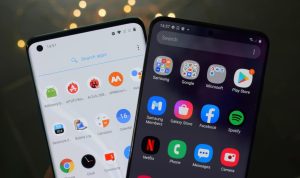
Several key features set Android smartphones apart and significantly enhance the user experience. Understanding these features provides insight into why Android continues to thrive in a competitive marketplace.The customization options available on Android devices allow users to tailor their home screens and interfaces to their liking. This capability extends to modifying icons, adding widgets, and choosing default apps for various tasks, providing a sense of ownership and personalization.
Another highlight is the Google Assistant, which integrates seamlessly with Android smartphones. This AI-driven assistant enhances functionality through voice commands, making it easy for users to manage tasks, control smart home devices, and access information quickly. Moreover, the Google Play Store offers a vast selection of applications, with millions of apps available for download. This extensive library ensures that users can find software solutions for virtually any need, from productivity to entertainment.In addition, Android smartphones often feature expandable storage options.
Many devices allow users to insert microSD cards, providing a simple way to increase storage capacity without the need for higher-priced models with larger built-in storage.Moreover, Android devices frequently incorporate advanced camera technology, including features like night mode, portrait mode, and artificial intelligence enhancements, allowing users to capture stunning photos and videos with ease. In summary, the combination of flexibility, functionality, and continuous innovation makes Android smartphones a popular choice among users, fostering a diverse ecosystem that caters to a wide variety of needs and preferences.
Essential Apps for Daily Use
In today’s fast-paced world, having the right apps on your Android smartphone can significantly enhance your productivity and entertainment. With a plethora of options available, it can be overwhelming to choose which ones are truly essential. This section will highlight must-have apps that cater to both productivity and entertainment, helping you make the most of your device.To optimize your smartphone experience, organizing your apps efficiently is key.
This involves placing essential applications within easy reach and customizing settings to suit your preferences. Below are the top apps for daily use, organized into categories for convenience.
Must-Have Productivity Apps
Using productivity apps can streamline your daily tasks and improve efficiency. Here are some essential apps to consider:
- Google Keep
-A note-taking service that allows you to jot down thoughts, create to-do lists, and set reminders. - Trello
-A project management tool that helps you organize tasks and collaborate with others through boards and lists. - Slack
-A communication platform that enables team collaboration through channels, direct messaging, and file sharing. - Microsoft Office
-An essential suite for creating and editing documents, spreadsheets, and presentations on-the-go.
Must-Have Entertainment Apps
Entertainment apps enhance the leisure aspect of your smartphone usage. Here’s a selection that can keep you entertained:
- Spotify
-A music streaming service that offers millions of songs, playlists, and podcasts for every mood. - Netflix
-A video streaming platform providing a wide range of movies, series, and documentaries for binge-watching. - Audible
-An audiobook service that allows you to listen to thousands of books and podcasts anytime, anywhere. - Instagram
-A social media app that focuses on photo and video sharing, perfect for staying connected with friends and trends.
App Organization for Easy Access
Having a well-organized home screen can save time and improve accessibility. Here are strategies for organizing your apps:
- Group similar apps into folders, such as “Productivity,” “Social,” and “Entertainment,” to keep your home screen tidy.
- Prioritize frequently used apps by placing them at the top of your app drawer or on your home screen for immediate access.
- Use widgets for essential apps like calendars or weather, providing quick information without opening the app.
Customizing App Settings for Optimal Use
Customizing app settings can enhance your overall experience and make daily tasks easier. Here are tips to consider:
- Adjust notification settings to limit distractions, ensuring only important alerts come through.
- Explore themes and layout options within apps like Google Keep or Trello to create an interface that works for you.
- Take advantage of offline modes available in apps like Spotify and Netflix to enjoy content without data usage.
“The right apps can transform your smartphone into a powerful tool for both productivity and entertainment.”
Maximizing Battery Life
In today’s fast-paced world, the battery life of your Android smartphone is essential for keeping you connected and productive. With the right strategies and settings, you can significantly extend your device’s battery performance, ensuring that you remain powered throughout the day without constantly searching for a charger.Understanding and utilizing the battery optimization features available in your Android settings can drastically affect how long your smartphone lasts on a single charge.
These features help manage power consumption by adjusting settings and monitoring app usage, making them crucial for maintaining a healthy battery life.
Importance of Battery Optimization Features
Battery optimization features are designed to intelligently manage how applications use power. These settings can prevent certain apps from running in the background when they’re not actively used, thereby conserving battery life. Below are some key battery optimization features and how they function:
- Adaptive Battery: This feature learns your usage patterns and limits battery for apps you don’t use frequently, allowing more power for your essential apps.
- App Standby: This mode restricts apps that you rarely use from consuming battery by limiting their background activity.
- Battery Saver Mode: Activating this mode reduces background app activity and limits performance to extend battery life during critical moments.
Each of these features plays a vital role in managing how your device consumes power, making it essential to explore and enable them in your settings.
Managing Battery-Draining Apps
Certain applications are known to drain battery life more than others, often due to their functionality or how they run in the background. Identifying and managing these apps effectively is crucial for maximizing battery life. Consider the following tips:
- Identify Battery Drainers: Go to Settings > Battery to check which apps are consuming the most power. This insight can help you make informed decisions on app usage.
- Limit Background Activity: Restrict background data for apps that don’t need to be active all the time. You can do this through Settings > Apps > [App Name] > Data Usage.
- Uninstall Unnecessary Apps: If you consistently find certain apps draining your battery and they’re not essential, consider uninstalling them to free up resources.
By actively monitoring and managing the apps on your device, you can significantly improve your smartphone’s battery performance, making it last longer throughout the day.
“Optimizing your battery is not just about saving power; it’s about enhancing your overall smartphone experience.”
Enhancing Security and Privacy
In today’s digital age, securing personal data on your Android smartphone is paramount. With the vast amount of sensitive information we carry on our devices, it’s essential to take proactive steps to protect our privacy and maintain the integrity of our data. Android offers various security features that, when effectively utilized, can significantly bolster your smartphone’s defenses against potential threats.
Securing Personal Data
To safeguard your personal data, consider implementing a combination of strong passwords, biometrics, and encryption features available on your Android device. Here are steps to enhance security:
- Use Strong Passwords: Create complex passwords that include a mix of upper and lower case letters, numbers, and symbols. Avoid easily guessable information like birthdays.
- Enable Biometric Security: Utilize fingerprint or facial recognition features to add an extra layer of security. This is often more secure than traditional PINs or passwords.
- Encrypt Your Phone: Enable device encryption through the security settings. This ensures that your data is protected even if your device is lost or stolen.
- Install Security Updates: Regularly check for and install system updates to ensure you have the latest security patches from Google.
Setting Up Two-Factor Authentication
Two-factor authentication (2FA) is a critical tool for protecting accounts from unauthorized access. Here’s how to set it up on your Android device:
- Access Your Google Account Settings: Go to the Google Account settings on your device.
- Navigate to Security: Select the ‘Security’ tab where you will find options for signing in to Google.
- Start 2-Step Verification: Under the ‘Signing in to Google’ section, tap on ‘2-Step Verification’ and follow the prompts to set it up. You’ll be able to choose methods like text messages, phone calls, or authenticator apps.
- Backup Codes: Generate backup codes during the setup process. Store these codes securely, as they can help you regain access if you lose your primary 2FA method.
Using Built-in Security Tools
Android smartphones come equipped with various built-in security tools designed to enhance user protection. Familiarizing yourself with these tools can significantly improve your device’s security.
- Google Play Protect: This feature scans apps for malware and security issues. Ensure it is enabled by checking the ‘Security’ section in your settings.
- Find My Device: Activate this feature to locate, lock, or erase your device remotely if it gets lost or stolen.
- Screen Lock Options: Set up a secure screen lock method, such as a PIN, password, or pattern, to prevent unauthorized users from accessing your phone.
- App Permissions: Regularly review and manage app permissions through the app settings to ensure that apps only access the data they need.
Implementing these security measures can help keep your personal data secure, ensuring that you can enjoy the full potential of your Android smartphone without compromise.
Customizing Your Android Experience
Customizing your Android smartphone is a fantastic way to make it truly your own. From adjusting the home screen layout to tweaking notification settings, these personal touches allow you to create a device that reflects your style and preferences. This section delves into the various ways you can personalize your Android device for an enhanced user experience.
Personalizing the Home Screen Layout and Themes
An inviting and organized home screen sets the tone for your daily interactions with your device. Android allows you to rearrange apps, use themes, and even choose wallpapers that resonate with your personality. Here’s how you can enhance your home screen:
Rearranging Apps
Long-press on any app icon to enter edit mode. You can then drag and drop icons to reorder them, or create folders by dragging one icon over another. This helps in decluttering your home screen and grouping similar apps together.
Using Themes
Theming your device can change the entire look and feel. Go to Settings > Display > Themes to browse available options. Many manufacturers offer unique themes that can alter icons, colors, and backgrounds, allowing for complete customization.
Setting a Wallpaper
Choose a wallpaper that inspires you or reflects your interests. You can set images from your gallery or use built-in wallpapers. To change it, long-press on the home screen, select “Wallpapers,” and choose your desired image.
Customizing Notification Settings
Notifications can often feel overwhelming, but customizing them can help you manage alerts efficiently. Tailoring your notification settings ensures you only receive updates that matter most to you.
Adjusting Notification Channels
Android allows you to manage notifications for each app individually. Head to Settings > Apps & Notifications > [App Name] > Notifications. Here, you can toggle notifications on or off, change the priority level, or even select custom sounds for different alerts.
Using Do Not Disturb Mode
This feature silences notifications for a specific period. Go to Settings > Sound & Vibration > Do Not Disturb. You can set schedules and allow exceptions for calls or messages from specific contacts.
Using Quick Settings
Swiping down from the top of your screen brings up Quick Settings. There, you can easily enable/disable notifications, adjust the volume, and quickly access features like Airplane Mode or Wi-Fi.
Using Widgets Effectively
Widgets are a powerful way to display information at a glance without opening apps. They make your home screen more functional and can enhance productivity.
Adding Widgets
Long-press on the home screen and select “Widgets.” Browse through the available options, then drag your chosen widget onto the home screen. Choose from options like calendars, weather updates, or task lists to fit your needs.
Resizing Widgets
Many widgets can be resized to fit your desired layout. Long-press the widget, and you’ll see resize handles that let you adjust its dimensions, making it as small or large as you prefer.
Organizing Widgets
Group similar widgets together or space them out for easy access. Consider placing frequently used widgets on the first page for instant access to crucial information, while less-used ones can go further back.
Utilizing Google Services: How To Make The Most Of Your Android Smartphone
In today’s digital landscape, harnessing the power of Google Services can significantly enhance your productivity and streamline your daily tasks. From accessing information instantly to organizing your schedule, these tools are designed to integrate seamlessly into your Android smartphone experience. Below, we explore how to make the most of Google Assistant, Google Drive, and Google Calendar to elevate your productivity.
Maximizing Google Assistant for Daily Tasks
Google Assistant acts as your personal digital assistant, ready to help you manage your day-to-day tasks efficiently. To maximize its capabilities, consider the following features:
Voice Commands
Use voice commands to set alarms, send texts, or get directions without needing to touch your phone. For instance, saying “Hey Google, remind me to call Mom at 5 PM” sets a reminder in seconds.
Routine Setup
Create routines that automate multiple actions with a single command. A morning routine may include turning on your smart lights, checking the weather, and reading the news, all initiated by saying, “Good morning.”
Integration with Apps
Google Assistant integrates with a multitude of apps, allowing you to control your smart home devices, play music, or check your calendar without needing to open each app manually.
Benefits of Using Google Drive for File Storage and Sharing
Google Drive provides a reliable cloud storage solution, making it easy to store and share files securely. The advantages of utilizing Google Drive include:
Accessibility
Files stored in Google Drive are accessible from any device with an internet connection, ensuring you can work from anywhere.
Collaboration Features
Share documents and collaborate in real time with others. For example, Google Docs enables multiple users to edit a document simultaneously, which is ideal for team projects.
Generous Free Storage
Google Drive offers 15 GB of free storage, which can be expanded with affordable paid plans if more space is needed, making it a cost-effective solution for personal and professional use.
Integration of Google Calendar for Scheduling and Reminders
Google Calendar is an essential tool for managing your schedule and ensuring you never miss an important event. Here’s how to leverage its features:
Event Creation
Easily create events by tapping on the “+” icon. You can add details like location, guests, and alerts to keep everyone informed.
Reminders and Notifications
Set reminders for tasks and deadlines, ensuring you stay on top of your commitments. For instance, you can set a reminder for an upcoming meeting that alerts you 30 minutes prior.
Syncing Across Devices
Google Calendar syncs across all your devices. This means any changes made on your smartphone will reflect on your tablet or computer, keeping your schedule consistent.
Utilizing Google Services effectively transforms your Android smartphone from a simple communication device to a comprehensive productivity tool, enabling you to manage your tasks, collaborate with others, and organize your life seamlessly.
Troubleshooting Common Issues
In the world of Android smartphones, encountering issues is a common experience for users. Whether it’s a minor glitch or a more serious problem, knowing how to troubleshoot effectively can save you time and frustration. This section Artikels some prevalent issues along with their solutions, guides you on performing a factory reset safely, and provides tips to enhance your device’s performance.
Common Android Issues and Solutions
Several issues may arise while using an Android smartphone, but many have straightforward solutions. Below is a list of typical problems and their corresponding fixes.
- Device freezing or lagging: Restart your device to clear temporary glitches. If the problem persists, consider clearing the cache of frequently used apps.
- App crashes: Ensure that the app is updated. If it continues to crash, try uninstalling and reinstalling it.
- Battery drain: Check for apps using excessive battery in the settings menu and limit their background activity. Additionally, consider reducing screen brightness and turning off location services when not needed.
- Wi-Fi connectivity issues: Toggle airplane mode on and off, or forget and reconnect to the Wi-Fi network to reset the connection.
- Storage space running low: Delete unnecessary apps and files, or consider moving photos and videos to cloud storage to free up space.
Performing a Factory Reset Safely
A factory reset can resolve persistent issues by restoring your device to its original settings. It’s crucial to perform this step carefully to avoid data loss. Here’s how to do it safely:
1. Backup Your Data Before initiating a factory reset, back up your important data, including contacts, photos, and app data. You can use Google Drive or other cloud services for this purpose.
2. Access Settings Go to the “Settings” app on your device.
3. Navigate to System Scroll down and select “System,” then tap on “Reset options.”
4. Select Factory Reset Choose “Erase all data (factory reset)” and follow the prompts to confirm.
5. Final Confirmation Review the information and tap on “Reset Phone” to complete the process.
“A factory reset erases all data on your device. Ensure you have backups to avoid losing important information.”
Improving Device Performance and Speed
Enhancing the performance of your Android smartphone can lead to a smoother user experience. Below are some tips that can significantly improve speed and efficiency.
- Remove Unused Apps: Deleting apps that you no longer use frees up storage and system resources.
- Disable Bloatware: Uninstall or disable pre-installed apps that you don’t use to reduce background processing.
- Update Software: Keep your device’s software up to date to ensure optimal performance and access to the latest features.
- Clear Cache Regularly: Regularly clearing the cache of apps can help improve loading times and responsiveness.
- Use Lite Versions of Apps: Consider using ‘lite’ versions of popular apps that consume less data and resources.
Accessories that Enhance Your Smartphone
Enhancing your Android smartphone experience can be greatly achieved through the use of various accessories. The right accessories not only improve functionality but also provide protection and convenience, making your daily tasks more efficient. Here’s a look at some essential accessories that can take your smartphone usage to the next level.
Essential Accessories That Improve Functionality
When it comes to smartphone accessories, several items stand out for their ability to enhance the overall experience. These accessories cater to different needs, whether it’s for protection, convenience, or added functionality. Here are some must-have accessories to consider:
- Wireless Earbuds: Perfect for music lovers and those who take calls on the go, wireless earbuds offer convenience without the hassle of tangled cords.
- Portable Chargers: Keeping your smartphone charged throughout the day is essential. A portable charger ensures you stay powered up without being tethered to an outlet.
- Bluetooth Keyboards: For users who frequently type lengthy messages or documents, a Bluetooth keyboard can significantly enhance productivity and comfort.
- Smartphone Gimbals: If you enjoy photography or videography, a smartphone gimbal stabilizer helps capture smooth and professional-looking footage.
Choosing the Right Phone Cases and Screen Protectors
Selecting the appropriate phone case and screen protector is crucial for safeguarding your device. The market offers a wide variety of options, which can make the decision overwhelming. Understanding the key features and materials can simplify your choice.
- Materials: Look for cases made from durable materials like silicone, polycarbonate, or leather for the best protection against drops and scratches.
- Fit: Ensure the case fits your specific phone model perfectly, providing access to buttons and ports without obstruction.
- Screen Protection: Tempered glass screen protectors offer superior protection against cracks and scratches, while plastic protectors are typically lighter but may not provide the same level of durability.
- Design: Consider your style and preference. There are clear cases to showcase your phone’s design, rugged cases for outdoor use, or slim options for easy portability.
Benefits of Using Smartwatches with Android Devices, How to Make the Most of Your Android Smartphone
Integrating a smartwatch with your Android smartphone can enhance connectivity and convenience. Smartwatches extend the smartphone experience beyond just the device itself, allowing for seamless interaction and functionality.
- Notifications: Receive call, message, and app notifications on your wrist, keeping you connected without constantly checking your phone.
- Health Tracking: Many smartwatches come equipped with health monitoring features like heart rate tracking, step counting, and sleep analysis, helping you maintain a healthy lifestyle.
- Music Control: Stream music from your watch while exercising or commuting, giving you control over your playlists without needing to pull out your phone.
- Customization: Smartwatches offer various watch faces and bands, allowing you to personalize your device to suit your style and mood.
Exploring Hidden Features
Android smartphones come packed with features that can significantly enhance your experience, but many users are unaware of some hidden gems. Exploring these features can help you maximize the potential of your device, making daily tasks simpler and more efficient. This section will delve into how you can discover these lesser-known functionalities and leverage developer options for enhanced performance.
Discovering Lesser-Known Features
Many Android devices include unique features that can streamline your daily tasks. To find these hidden treasures, start by exploring the “Settings” app. Often, manufacturers like Samsung, Google, and OnePlus embed specific features tailored to their devices. Some tips for uncovering these functionalities include checking your device’s user manual, visiting the manufacturer’s website for support articles, and exploring forums like Reddit or XDA Developers for user-shared tips.Here are some noteworthy features commonly found across various Android models:
- Split Screen Mode: This allows you to run two apps simultaneously, enabling multitasking with ease. Access it by tapping the recent apps button and selecting the split-screen icon.
- Quick Settings Customization: By swiping down from the top of the screen, you can access Quick Settings. You can customize this panel to include shortcuts for your most-used features like Wi-Fi, Bluetooth, and Do Not Disturb.
- Screen Recording: Some Android versions allow built-in screen recording. You can find this feature in Quick Settings, making it easy to capture tutorials or gaming sessions.
Using Developer Options for Enhanced Functionality
Developer Options is a hidden menu in Android that offers various features designed primarily for app developers, but it can also enhance your user experience. To access this menu, navigate to “Settings,” select “About Phone,” and tap “Build Number” seven times. After enabling Developer Options, you’ll find a range of settings that can improve performance and functionality.Important options to consider include:
- Animation Scales: You can speed up your phone by reducing or disabling animations. Under Developer Options, find “Window Animation Scale,” “Transition Animation Scale,” and “Animator Duration Scale.” Setting these to 0.5x or off can make your device feel snappier.
- USB Debugging: This feature allows for advanced connectivity options with your computer, making it easier to transfer files and access developer tools.
- Background Process Limit: You can limit the number of background processes, optimizing your phone’s performance and battery life.
Unique Tools and Shortcuts Across Models
Different Android manufacturers often include unique tools that can enhance user experience. Here are a few examples of model-specific features worth exploring:
1. Samsung One UI Offers features such as “Bixby Routines,” which allows you to automate tasks based on your routines and locations.
2. Google Pixel Comes with “Call Screening,” which helps you manage spam calls effectively by screening them before you answer.
3. OnePlus OxygenOS Includes “Zen Mode,” a feature designed to minimize distractions by locking you out of your apps for a set period.By taking the time to explore these hidden features and tools, you can customize your Android experience further, making it more efficient and enjoyable. Each model brings something unique to the table, so don’t hesitate to dig in and find what works best for you.
Keeping Your Device Updated
Staying updated is crucial for maintaining the security and performance of your Android smartphone. Software updates often include security patches, bug fixes, and new features that can enhance your overall experience. Neglecting updates can leave your device susceptible to vulnerabilities and performance issues.Regularly checking for and installing updates is a simple yet effective way to keep your device running smoothly.
Android devices may vary slightly in the update process depending on the manufacturer, but the general steps are quite similar. Here’s how you can check for updates on your Android device:
Methods for Checking and Installing Updates
Ensuring that your device is always equipped with the latest software can significantly affect its functionality and security. Follow these steps to check for updates:
- Open the Settings app on your Android device.
- Scroll down and select System (or About phone on some devices).
- Tap on System updates or Software updates.
- Your device will check for available updates. If an update is available, follow the on-screen prompts to download and install it.
Keeping your apps up to date is equally important. App updates often enhance features, improve security, and fix bugs. Here are some effective tips for managing app updates:
Managing App Updates Effectively
Regular app updates ensure that you have access to the latest functions and security improvements. It’s essential to manage these updates so that your device remains efficient. Consider the following tips:
- Enable automatic updates through the Google Play Store to download updates seamlessly as they become available.
- To turn on automatic updates, open the Google Play Store, tap on your profile icon, select Settings, then Network preferences, and choose Auto-update apps.
- Regularly review your app permissions and settings after updates, as changes may have been made during the installation.
- Uninstall any apps that you no longer use or need, as these can slow down your device and increase vulnerability to security threats.
“Keeping your Android device updated is not just a recommendation; it’s a necessity for security and optimal performance.”
Following these practices will help you maintain an efficient and secure Android experience, ensuring that your device remains in peak condition to meet your needs.