Best Android Emulators for Windows and Mac is your gateway to running Android applications seamlessly on your desktop. These emulators serve a variety of purposes, from gaming to app development, and make it possible to enjoy mobile experiences on larger screens. Whether you’re a gamer looking to enhance your skills or a developer in need of testing tools, understanding the best options available can significantly elevate your experience.
From casual users to hardcore developers, many individuals reap the benefits of utilizing Android emulators. By bridging the gap between mobile and desktop environments, these tools empower users to explore new possibilities and extend their device’s functionality.
Introduction to Android Emulators: Best Android Emulators For Windows And Mac
Android emulators are software applications that replicate Android operating systems on non-Android devices, allowing users to run Android apps and games on Windows or Mac computers. These emulators create a virtual environment where the Android OS can operate, enabling functionalities similar to that of an actual Android device. This technology is particularly significant for developers, gamers, and tech enthusiasts looking to experience Android applications on larger screens or with enhanced performance.The significance of using emulators on Windows and Mac systems lies in their ability to provide a platform for testing and development without the need for physical Android devices.
Developers can use emulators to test their applications across different Android versions and screen sizes, ensuring compatibility and functionality before releasing their apps to the public. Additionally, gamers can enjoy mobile games with improved graphics and controls, as well as the convenience of using a keyboard and mouse instead of touch controls.
User Benefits of Android Emulators
Various types of users can greatly benefit from utilizing Android emulators, each leveraging the technology for different purposes. Understanding these user groups helps highlight the versatility and utility of Android emulators in various scenarios.
- Developers: Android emulators are essential tools for developers who need to test their applications across multiple devices and OS versions. They can simulate different hardware configurations, allowing for comprehensive debugging and optimization.
- Gamers: Mobile gamers often prefer emulators for their ability to enhance gaming experiences. Many emulators allow for better graphics and larger display options while providing the ability to customize controls for a more enjoyable gaming experience.
- Students and Educators: In educational settings, emulators can be used to teach mobile development concepts. Students can gain practical experience with Android development tools without needing physical devices for each participant.
- Tech Enthusiasts: Casual users and tech enthusiasts may enjoy experimenting with Android applications on their desktop. Emulators provide a platform to explore new apps and features without needing an Android device.
“Android emulators bridge the gap between mobile and desktop environments, enabling users to harness the power of Android applications on their preferred devices.”
Key Features to Consider
When choosing an Android emulator for Windows or Mac, several key features can significantly impact your overall experience. Understanding these features will help you select an emulator that meets your specific needs, whether for gaming, app development, or general use. The right emulator can enhance your productivity and enjoyment while minimizing frustration or technical issues.A critical aspect of any emulator is its performance metrics.
Speed and responsiveness are paramount when determining usability. You want an emulator that not only runs smoothly but also supports high graphics and performance demands. Furthermore, compatibility with various applications and games is essential, as it determines the range of software you can run effectively.
Performance Metrics
When evaluating emulators, consider the following performance metrics that are crucial for ensuring a smooth experience:
- Speed: The emulator should launch quickly and load applications without noticeable lag. A faster emulator ensures that you can run multiple apps simultaneously, which is especially important for gamers and developers.
- Responsiveness: This refers to how quickly the emulator reacts to user inputs. A responsive emulator provides a seamless experience, mimicking the speed of a physical device.
- Frame Rate: For gaming, a high and stable frame rate is crucial. Emulators should support 60 FPS or higher for an optimal gaming experience, reducing choppiness or stuttering during gameplay.
- Resource Management: Efficient use of system resources (CPU, RAM) enhances performance. Emulators that allocate resources effectively can prevent crashes and slowdowns, especially when running demanding applications.
Compatibility with Applications and Games
Another vital factor to consider is the emulator’s compatibility with various applications and games. The right emulator should support a wide range of software to maximize its utility.
- App Store Access: Look for emulators that facilitate easy access to the Google Play Store or allow APK installations. This ensures you can install any app or game you wish to try.
- Game Performance: Test the emulator’s performance with popular games, as some emulators are optimized for specific titles. Research compatibility lists to find emulators that work well with your favorite games.
- Operating System Versions: Ensure the emulator supports various Android versions, as some applications may require newer or specific versions of the operating system.
- Multi-instance Support: This feature allows you to run multiple apps or games simultaneously, which is particularly useful for gamers who want to farm resources or for developers testing multiple applications at once.
Top Android Emulators for Windows
Android emulators have changed the way users experience mobile applications and games on their Windows machines. With the ability to replicate an Android environment on a desktop, these emulators provide a seamless transition for app development, gaming, and testing. Selecting the right emulator can significantly enhance performance, compatibility, and user experience.When considering the best Android emulators for Windows, various factors such as system requirements, user interface, speed, and additional features come into play.
Below is a curated list of the top Android emulators available, along with their specifications and user experiences.
BlueStacks
BlueStacks is one of the most popular Android emulators, known for its user-friendly interface and extensive compatibility with a wide range of apps and games.
- Specifications: Requires Windows 7 or higher, 2 GB of RAM, and 5 GB of disk space.
- Key Features: Multi-instance capability, built-in Google Play Store, keyboard mapping, and gamepad support.
- User Experience: Users appreciate its performance for gaming, with a smooth experience and minimal lag. However, some report that it can be resource-intensive, affecting performance on lower-end systems.
NoxPlayer
NoxPlayer is tailored for gamers and offers a rich feature set that allows extensive customization.
- Specifications: Requires Windows 7 or higher, 2 GB of RAM, and 1.5 GB of disk space.
- Key Features: Full compatibility with keyboard, gamepad, and mouse; supports multiple instances; and offers script recording.
- User Experience: Players enjoy the ease of use and the smooth gameplay experience. Some users have mentioned occasional crashes during heavy multitasking.
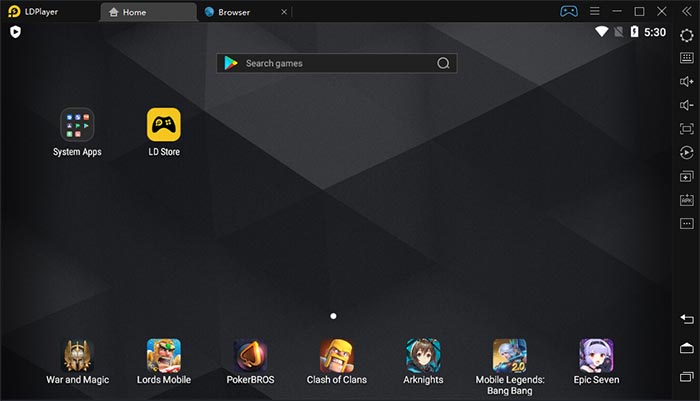
LDPlayer
LDPlayer is another powerful emulator, especially recognized for its gaming capabilities.
- Specifications: Requires Windows 7 or higher, 2 GB of RAM, and 36 MB of disk space.
- Key Features: Customizable controls, high FPS support, and multi-instance capability.
- User Experience: Gamers report excellent performance with popular titles like PUBG Mobile and Call of Duty Mobile. Users also note its lightweight nature, making it suitable for various hardware configurations.
Memu Play
Memu Play is highly regarded for its efficiency and the ability to run multiple apps simultaneously.
- Specifications: Requires Windows 7 or higher, 2 GB of RAM, and 5 GB of disk space.
- Key Features: Supports both Intel and AMD processors, customizable controls, and the ability to emulate GPS.
- User Experience: Feedback indicates strong performance and stability, with users highlighting its ability to run demanding applications smoothly.
Genymotion
Genymotion is primarily aimed at developers and testers, providing a robust solution for app testing.
- Specifications: Requires a recent version of Windows and VirtualBox.
- Key Features: Cloud-based and desktop versions, integration with Android Studio, and ability to simulate various device configurations.
- User Experience: Developers commend its versatility and ease of use for testing applications across different Android versions and devices.
Top Android Emulators for Mac
For Mac users seeking to run Android applications, several emulators stand out due to their unique features and performance capabilities. While many emulators cater to both Windows and Mac platforms, some are exclusively optimized for Mac, providing a smooth and efficient experience. This section highlights the best Android emulators for Mac, focusing on their distinctive functionalities and performance comparisons with their Windows counterparts.
Best Android Emulators for Mac Users, Best Android Emulators for Windows and Mac
When considering Android emulators for Mac, it’s essential to look at their performance, ease of use, and features tailored specifically for macOS. Below are the top contenders that Mac users can utilize effectively.
- BlueStacks: Known for its user-friendly interface, BlueStacks is one of the most popular Android emulators available for Mac. It offers a seamless installation process, supports multiple instances, and features game optimization tools that enhance the gaming experience. Its compatibility with a wide range of applications makes it a top choice.
- NoxPlayer: NoxPlayer is tailored for gamers and offers robust performance on Mac. Its unique feature, the ability to map keyboard keys for better control during gameplay, sets it apart. Additionally, it allows users to run multiple games simultaneously without significant performance dips.
- Genymotion: Aimed primarily at developers, Genymotion provides extensive customization options. Users can configure various Android versions and device types to test applications in different environments. This emulator is particularly noted for its speed and efficiency, making it an excellent tool for app testing on Mac.
- MEmu Play: While originally designed for Windows, MEmu has a Mac version that performs admirably. It integrates well with the Mac environment and offers features like drag-and-drop file sharing, which is convenient for users who need to transfer files between their Mac and the emulator.
Performance and Usability Comparison
Understanding the performance differences between Mac and Windows emulators is crucial for users looking to maximize their experience. Below is a comparison of key aspects that affect usability across both platforms.
| Feature | Mac Emulators | Windows Emulators |
|---|---|---|
| Installation Ease | Generally straightforward with a simple drag-and-drop installation process. | May require additional software or settings adjustments. |
| Performance Speed | Efficient use of Mac resources, particularly with optimized emulators like Genymotion. | Often faster due to broader hardware compatibility and optimizations. |
| User Interface | Intuitive designs that align with macOS standards. | Varied interfaces, some may lack polish compared to Mac versions. |
| Game Compatibility | Primarily focused on popular titles with specialized features for gamers. | Wider selection of games, but may not optimize controls as well. |
“For Mac users, the ability to run Android applications efficiently lies in selecting the right emulator that complements the Mac environment.”
Installation and Setup Procedures
Installing an Android emulator can open a world of possibilities, allowing you to run mobile applications on your Windows or Mac system. The process is generally straightforward, but specific steps can vary based on the emulator you choose. Below, we will detail the installation procedures for popular emulators, share troubleshooting tips, and discuss the necessary system requirements to ensure optimal performance.
Installation Process for Top Emulators
To effectively utilize Android emulators, understanding their installation process is crucial. Here are the steps for some widely used emulators:
BlueStacks
- Visit the official BlueStacks website.
- Download the latest version of BlueStacks compatible with your operating system.
- Open the downloaded file and follow the instructions on the installation wizard.
- Once installed, launch BlueStacks and sign in with your Google account.
- Start downloading and installing apps from the Google Play Store as desired.
NoxPlayer
- Navigate to the NoxPlayer official website to download the software.
- Launch the installer after the download completes.
- Follow the prompts in the setup wizard to finalize the installation.
- Open NoxPlayer and sign in to begin using Android apps.
LDPlayer
- Go to the LDPlayer website to download the emulator.
- Run the installer file after downloading.
- Follow the on-screen instructions to complete the installation.
- Start LDPlayer and access Google Play to install your favorite apps.
Troubleshooting Installation Issues
Installation problems can occur for various reasons, and addressing them promptly is essential for a seamless experience. Below are common troubleshooting steps:
Check System Requirements
Ensure that your computer meets the minimum specifications required by the emulator. Most emulators need a minimum of 4GB RAM and a dual-core processor.
Disable Antivirus Software
Sometimes, antivirus programs can block emulator installations. Temporarily disable them during installation.
Update Graphics Drivers
Ensure that your graphics drivers are up to date, as outdated drivers can cause installation failures or performance issues.
Run as Administrator
If you encounter permission issues, try running the installer as an administrator by right-clicking on the setup file and selecting “Run as administrator.”
System Requirements for Optimal Performance
Running an Android emulator efficiently requires a computer that meets certain performance benchmarks. Here are the general system requirements for optimal emulator performance:
Operating System
Windows 7 or higher, macOS Sierra or higher.
Processor
Intel or AMD processor with virtualization support.
RAM
At least 4GB of RAM; 8GB is recommended for better multitasking.
Storage
Minimum of 5GB of available disk space, with SSD recommended for faster load times.
Graphics
DirectX 11 compatible graphics card for enhanced visual performance.By following these installation procedures, troubleshooting tips, and adhering to the recommended system requirements, users can ensure a smooth setup and enjoyable experience using Android emulators on their desktops or laptops.
Performance Comparison
When it comes to choosing an Android emulator, performance is a key factor that can determine user experience, especially for gaming and productivity tasks. Various emulators perform differently based on their architecture, optimizations, and how well they utilize system resources. Understanding these differences can help users make informed decisions tailored to their specific needs.The performance of an Android emulator can be significantly influenced by the hardware specifications of the host machine.
Factors such as CPU speed, RAM, and GPU capabilities play crucial roles in determining how efficiently an emulator runs applications. Below, we present a comparative analysis of popular Android emulators and their performance on both Windows and Mac systems, highlighting their strengths in gaming versus productivity tasks.
Performance Comparison Table
The following table illustrates the performance metrics of various Android emulators across different platforms, focusing on their suitability for gaming and productivity tasks.
| Emulator | Platform | Gaming Performance | Productivity Performance |
|---|---|---|---|
| BlueStacks | Windows | High | Moderate |
| NoxPlayer | Windows | Very High | Moderate |
| MEmu | Windows | High | Low |
| Genymotion | Windows | Moderate | High |
| LDPlayer | Windows | Very High | Low |
| Andy | Windows | Moderate | High |
| BlueStacks | Mac | Moderate | Moderate |
| Genymotion | Mac | Moderate | High |
The table clearly indicates that emulators like NoxPlayer and LDPlayer excel in gaming performance, making them ideal for gamers. On the other hand, Genymotion stands out for productivity tasks, particularly when developers need to test applications in a simulated environment.
Performance in emulators is heavily dependent on the underlying hardware; the better the specifications, the more efficiently the emulator will run.
It is essential to recognize that users with higher-end hardware will experience noticeably better performance across all emulators. For instance, a machine equipped with a multi-core processor, ample RAM, and a dedicated GPU will allow for smoother gameplay and faster application loading times compared to a low-spec setup. Conversely, those using older or less powerful hardware may experience lag and reduced responsiveness, particularly in graphically demanding games.
Understanding these nuances can significantly enhance the emulator experience, ensuring optimal performance tailored to user needs.
Use Cases and Scenarios
Android emulators have become invaluable tools for various users, ranging from developers to casual gamers. These software applications allow users to run Android operating systems on different platforms like Windows and Mac, thereby creating a versatile environment that suits multiple needs. Emulators serve not just for entertainment but also for enhancing productivity and testing integrations, making them essential in today’s tech landscape.Developers often leverage emulators for extensive app testing before deploying their applications on actual devices.
This enables them to identify and address potential issues across different Android versions and device specifications without needing multiple physical devices. Casual users, on the other hand, can utilize emulators to experience mobile applications on a larger screen, enhancing usability for gaming, productivity, and social media interactions.
Utilization in App Development
In the realm of app development, emulators provide a controlled environment for testing applications. This is beneficial for several reasons:
- Multi-Device Testing: Developers can simulate various devices and configurations, allowing them to ensure their app functions properly across a range of screen sizes, resolutions, and operating system versions.
- Debugging: Emulators come equipped with debugging tools that help developers identify bugs and performance issues in real-time, streamlining the development process.
- Rapid Prototyping: Emulators enable quick testing of new app features without the need for physical hardware, facilitating faster iterations and updates.
- Cost-Effective: Relying on emulators reduces the need for purchasing multiple devices, which can be a significant cost-saving for small development teams.
Enhancing User Experience
Casual users find emulators to be a great way to enhance their overall experience with Android applications. They can enjoy several advantages:
- Gaming: Emulators allow users to play Android games on a larger screen with improved graphics and control options, such as keyboard and mouse support, which can significantly enhance gameplay.
- Access to Apps: Users can access apps that may not be available on their physical devices due to compatibility issues, giving them a broader range of applications to choose from.
- Convenience: Emulators enable users to run multiple instances of apps concurrently, making it easier to manage tasks like social media accounts or messaging without the need to switch devices.
- Screen Recording: Many emulators come with built-in screen recording features, allowing users to easily create tutorials or share gameplay experiences with others.
Advanced Features and Customization
Android emulators have evolved significantly, offering a plethora of advanced features and customization options that cater to both casual users and developers. These emulators not only replicate Android experiences on desktop platforms but also provide functionalities that enhance usability, performance, and personalization. Emulators like BlueStacks, NoxPlayer, and LDPlayer are at the forefront, bringing these advanced capabilities to users who want to tailor their Android experience.One of the standout features in many top emulators is multiple instance support.
This allows users to run several apps or games simultaneously in different windows, which is particularly beneficial for gamers who want to manage multiple accounts or for developers testing their applications in various scenarios. Another essential feature is root access, which enables users to gain superuser permissions, allowing for deeper modification of the Android environment. Root access can be used for installing specialized applications that require elevated privileges, enhancing the overall functionality of the emulator.
Multiple Instance Support
The capability to run multiple instances within an emulator opens up a world of possibilities. This feature is critical for gamers who wish to grind on multiple accounts. Users can manage different characters or game profiles without needing to switch between different emulators. Here’s how multiple instance support enhances user experience:
- Account Management: Players can log into several accounts simultaneously, making it easier to switch between them and maximize in-game rewards.
- Increased Productivity: Developers can test their applications across various Android versions and settings, ensuring compatibility and performance across multiple scenarios.
- Task Automation: Users can automate tasks across different instances, streamlining processes that would otherwise require repetitive actions.
Root Access and Customization Options
Root access is another feature that elevates the level of customization within Android emulators. It provides users the ability to modify system files, install custom ROMs, and tweak settings that are often restricted in standard user modes. This can lead to significant enhancements in performance and user experience. Some of the customization options available include:
- Custom ROMs: Users can flash custom Android versions that can enhance features or provide a leaner operating system for better performance.
- Performance Tweaks: Advanced users can modify CPU and GPU settings, allowing them to optimize the emulator’s performance according to their hardware capabilities.
- User Interface Modifications: Many emulators allow users to change themes, icon packs, and layouts for a personalized look and feel.
User experiences often highlight these advanced features as game-changers. For instance, a gamer using BlueStacks reported that the ability to run multiple instances allowed them to collect resources in a popular MMORPG without needing multiple devices. Another user mentioned that root access helped them install a specific app that wasn’t available in the emulator’s standard play store, significantly expanding their capabilities.
These practical modifications and enhancements illustrate the value of advanced features in enhancing both gameplay and overall user satisfaction in Android emulators.
Safety and Security Considerations
Using Android emulators can be a fantastic way to access mobile applications on your computer, but it’s essential to be aware of the potential security risks that come along with it. As with any software that connects to the internet or handles personal information, emulators can be vulnerable to various threats, including malware and data breaches. Understanding these risks and implementing safety best practices can help ensure a secure experience while using an emulator.Potential security risks associated with using Android emulators include exposure to malware, unauthorized access to your computer, and the potential for data leakage.
Some emulators may come bundled with harmful software or be hosted on unreliable websites, making it crucial to download from trusted sources. Additionally, emulators can sometimes inadvertently expose personal data if not properly configured.
Best Practices for Downloading and Using Emulators
To mitigate security risks, it’s important to follow best practices when downloading and using Android emulators. Here are several guidelines to keep in mind:
- Always download emulators from official websites or reputable sources to minimize the chance of malware infection.
- Check for user reviews and ratings before downloading any emulator to ensure its reliability and security.
- Keep your operating system and antivirus software updated to protect against the latest security threats.
- Be cautious about granting permissions to the emulator; only allow access that is necessary for the applications you intend to use.
- Consider using a virtual machine to run your emulator, adding an extra layer of security by isolating it from your main operating system.
Protecting personal information while using emulators is also crucial. When you install apps within an emulator, they may request access to sensitive data like your contacts, location, and storage.
Protecting Personal Information
To safeguard your personal information while using Android emulators, adhere to the following guidelines:
- Limit the information you provide to applications within the emulator; avoid logging in with sensitive accounts unless absolutely necessary.
- Review the permissions requested by each app; deny any permissions that seem excessive or unnecessary.
- Regularly check for emulator updates as developers often patch security vulnerabilities.
- Utilize a VPN service for an additional layer of privacy, especially when accessing the internet through the emulator.
- Consider setting up a separate user profile on your computer to keep your personal and emulator activities distinct.
By following these practices, users can significantly reduce their exposure to security threats and ensure a safer experience when utilizing Android emulators.
Future Trends in Android Emulation
As technology continues to evolve, the landscape of Android emulation is set to undergo significant transformations. The future trends in this domain will likely be influenced by advancements in hardware, software capabilities, and user demand for seamless experiences across platforms. Emulators will increasingly play a pivotal role in bridging the gap between mobile and desktop environments, enhancing usability and accessibility for developers, gamers, and everyday users alike.One of the most notable developments in Android emulation technology is the increasing shift towards cloud-based solutions.
This approach is poised to revolutionize how users access and utilize Android applications without the need for resource-heavy local installations. Cloud-based emulators offer numerous advantages, including scalability, accessibility, and reduced hardware dependency.
Cloud-Based Emulation and Its Advantages
The rise of cloud computing is shaping the future of Android emulation, making it easier for users to run Android applications from any device with internet access. Cloud-based emulators can potentially streamline workflows and enhance collaboration, especially for developers. Key advantages include:
- Accessibility: Users can access applications from various devices without needing powerful hardware, as the processing occurs in the cloud.
- Scalability: Cloud solutions can be scaled up or down based on demand, allowing for dynamic adjustments to resource allocation.
- Collaboration: Teams can work together more efficiently, sharing environments in real-time without the need for local installations.
- Cost-Effectiveness: Reducing reliance on high-performance local machines can lead to significant cost savings for businesses and developers.
As these cloud-based emulation systems gain traction, the overall performance and user experience are expected to improve. This shift could lead to more sophisticated applications being developed, as developers will leverage the power of the cloud to test and iterate on their creations quickly.
Emerging Trends Shaping the Emulator Landscape
The emulator landscape is set to be influenced by several emerging trends that will enhance functionality and user experience. Notable trends include:
- AI Integration: The incorporation of artificial intelligence in emulation can lead to smarter resource management, optimization, and personalized user experiences.
- Cross-Platform Synchronization: Enhanced synchronization features will allow users to seamlessly switch between devices while maintaining their app states and preferences.
- Increased Compatibility: Emulators will expand support for a broader range of applications, including those requiring specific hardware features like sensors and GPS.
- Enhanced Graphics and Performance: Continued advancements in graphics processing and optimization techniques will yield visually stunning experiences, especially for gaming applications.
The convergence of these trends will not only redefine how users interact with Android applications but also enhance the development process, leading to richer and more engaging software solutions. As the emulation technology evolves, it holds the promise of creating a vibrant ecosystem where mobile and desktop experiences are more intertwined than ever before.